Calculate Your Culture Tax: The Hidden Cost of Bad Culture and How to Fix It
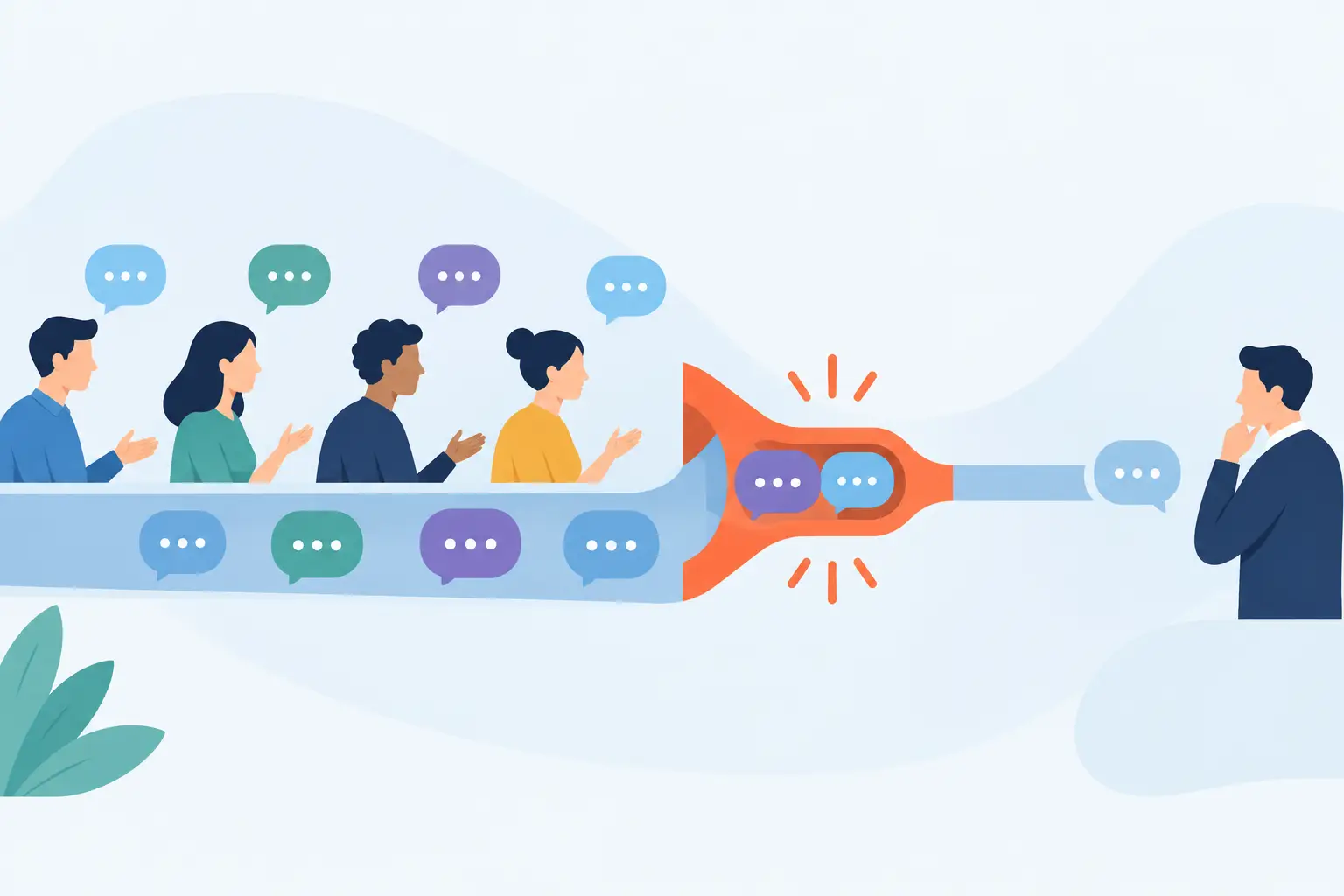
Imagine a double-digit share of your operating budget going to work nobody planned: redone deliverables, replaced hires, stalled approvals. Not through sloppy accounting or market shifts, but through the quiet rot of bad culture. Sounds dramatic? It's not. Culture isn't some ethereal vibe reserved for HR memos. It's measurable. It's a line item. And for analytical leaders like you, ignoring its cost is fiscal malpractice.
Welcome to the Culture Tax calculation—your straightforward formula to calculate organizational dysfunction cost. We'll walk through the six components: Rework Tax, Turnover Tax, Decision Tax, Coordination Tax, Innovation Tax, and Execution Tax. Plug in your annual operating expenses, and watch the hidden cost of bad culture take shape. Then, we'll arm you with fixes that move the needle.
The Culture Tax: Quantifying the Unseen Bleed
Bad culture shows up as friction: teams spinning wheels, leaders fire-fighting, talent walking out the door. This isn't soft; it's a drag on operating capacity. Each of the six components is modeled as a percentage range of annual operating expenses (OpEx), the same ranges used in Culture Tax Calculator Lite, which you receive after completing the free 15-question Culture Tax assessment. They are directional planning assumptions, so treat the output as a starting estimate.
Component cost = Annual OpEx × Component percentage. Total Culture Tax = the sum of all six components. Simple. Brutal. Actionable.
The Six Components: Run the Numbers
1. Rework Tax: 8–15% of OpEx
Misaligned priorities mean work gets redone, whether from shifting priorities, conflicting direction, or unclear requirements. Track it through project retrospectives: where did we rebuild from scratch?
2. Turnover Tax: 4–8% of OpEx
Attrition, recruiting and ramp-up, lost knowledge, and disengagement. Check exit interviews and the performance of recent hires. Culture flags scream loudest there.
3. Decision Tax: 3–6% of OpEx
Slow approvals, escalations, re-litigated decisions, and unclear ownership. Audit your OKR dashboards and approval queues: how many initiatives wait for one person?
4. Coordination Tax: 2–5% of OpEx
Status meetings, handoffs, and cross-team alignment overhead. Count the recurring meetings that exist only to share information that should already be visible.
5. Innovation Tax: 2–4% of OpEx
Ideas stalled or killed by misalignment, and a slow response to change. List the last few good ideas your teams raised and what happened to each.
6. Execution Tax: 1–3% of OpEx
Missed commitments, slipped timelines, and stalled initiatives. Review how many commitments from last quarter landed on the date promised.
Worked Example
As arithmetic with a hypothetical $50M in annual OpEx: Rework Tax at 8–15% is $4M to $7.5M. Turnover Tax at 4–8% is $2M to $4M. Across all six components, the ranges total 20–41% of OpEx, or $10M to $20.5M. This shows how the formula works, not a result for your organization. It is a share of OpEx, not of revenue.
Ready to Calculate Yours?
Take the free 15-question assessment to find the component to examine first. Culture Tax Calculator Lite, where you can model your own annual OpEx, is delivered with your results.
Start Your Assessment Now3 Ways to Plug the Leaks and Reclaim Your Capacity
- Clarify Decision Rights: Map who decides what. Use RACI matrices weekly until authority sticks. This targets Decision Tax and Coordination Tax.
- Define "Done" Before Work Starts: Agree on outcomes up front and reward completion, not perfection. This targets Rework Tax and Execution Tax.
- Build Feedback Loops: Pulse surveys plus leader coaching. Fix the root causes of exits before resumes hit LinkedIn, and give good ideas a clear path to a decision. This targets Turnover Tax and Innovation Tax.
Implement these, then re-run your Culture Tax calculation quarterly. Culture isn't a cost center—it's your unfair advantage when quantified.
The truth? You've known this leak exists. Now you have the math. Act, or pay forever.